Hypermobility Training Guide: How to Build Strength Without More Injuries
What Is Hypermobility?
Hypermobility, often known as “double-jointed” refers to joints that move beyond the normal range of motion. This is often due to variations in collagen—the protein that gives structure to ligaments and tendons—making them more lax.
Because of this, people with hypermobility often experience joint instability, where joints rely less on passive support and more on muscular control.
Ligaments and tendons normally stabilize your joints. When they’re more elastic, your body has less built-in stability—meaning your muscles must work harder to control movement.
A quick way to assess hypermobility is through the Beighton score: 👉 https://www.instagram.com/p/DRPRixskctX/
Beighton score criteria:
≥ 5/9 for adults
≥ 4/9 for adults over 50
Hypermobility itself is not a problem. But without the right hypermobility training approach, it can lead to instability and recurring issues.
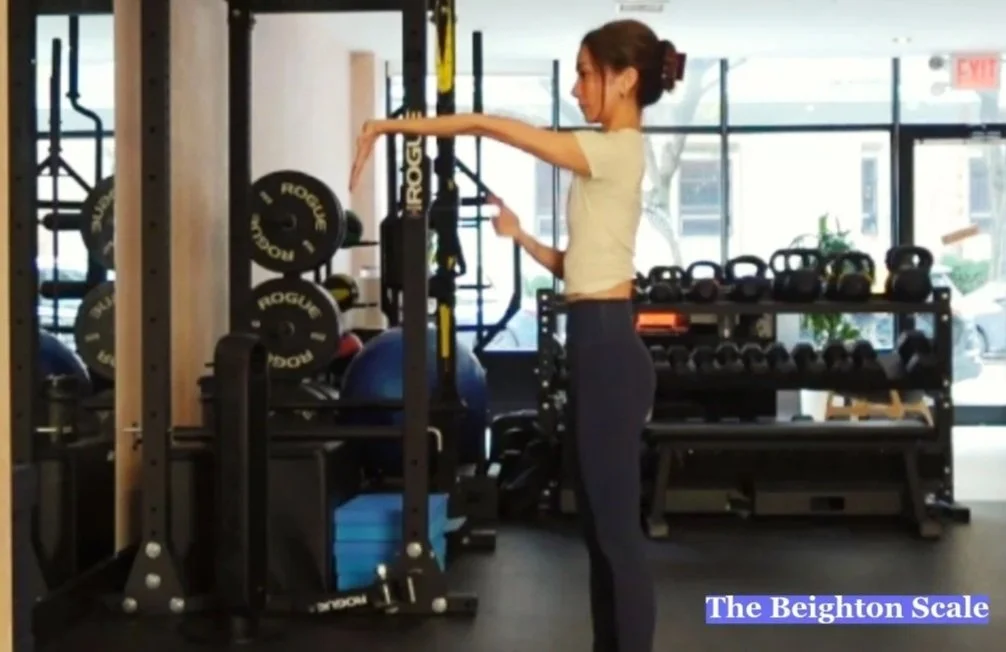
The Beighton Scale test for hypermobility
Signs You May Have Hypermobility
If you’re unsure whether this applies to you, here are common signs of joint hypermobility:
You’re naturally very flexible (or were as a child)
Your joints “lock,” “click,” or feel unstable
You struggle with postural alignment
You experience recurring injuries despite training consistently
You feel “loose” but also tight in certain muscles
These are often indicators that your body has range without control.
Why Hypermobility Can Lead to Injuries
Without proper hypermobility strength training, your body compensates for joint instability in ways that increase injury risk.
Common patterns:
Increased load on tendons, ligaments, and joint capsules
Higher risk of overuse injuries
Prone injuries in high-impact sports
From personal experience, after 10+ years of Muay Thai, I dealt with multiple injuries—including a grade 2 MCL tear—largely due to underlying instability. Many people are told to stretch more or do yoga. But effective hypermobility training programs prioritize stability first, not mobility.
With hypermobility, you’re not limited by flexibility—you’re limited by control and stability
The Real Issue: Joint Instability, Not Flexibility
The biggest challenge with hypermobility is joint instability and poor movement control.
Common symptoms of joint instability:
Difficulty maintaining neutral posture
Joints collapsing into end range
Weak links and compensation patterns
Overactive muscles doing too much work
Over time, this leads to:
Muscle imbalances
Chronic tightness (e.g. QL, upper traps, hip flexors, quads)
Poor mechanics in compound lifts
This is why many hypermobile individuals feel both tight and unstable at the same time.
Best Hypermobility Training Principles
If you’re hypermobile, your training should focus on stability, control, and joint integrity.
1. Train Strength in Internal Range (Not End Range)
One of the most important hypermobility exercises principles is building strength within a controlled range, not at your maximum flexibility.
Example: Scapular Stability for Shoulder Control
Many people with shoulder clicking or discomfort actually lack scapular stability, not mobility.
Training the serratus anterior helps:
Stabilize the shoulder blade
Improve joint positioning
Reduce unnecessary strain on the shoulder joint
How to train:
Quadruped Scapular Push-Up : Start on hands and knees. Keep your arms straight and drop your chest slightly, allowing your shoulder blades to retract.
👉 The goal: Build strength where you actually need it
2. Use Isolation Exercises to Correct Muscle Imbalances
In hypermobile bodies, stronger muscles tend to compensate more. That’s why isolation exercises are essential before compound lifts.
Effective hypermobility exercises include:
Glute med activation before squats
Deep core activation before loading
Lower trap strengthening before pulling
👉 Example: Side leg raise for glute med reinforcement https://www.instagram.com/p/DUUa0ZykfrO/
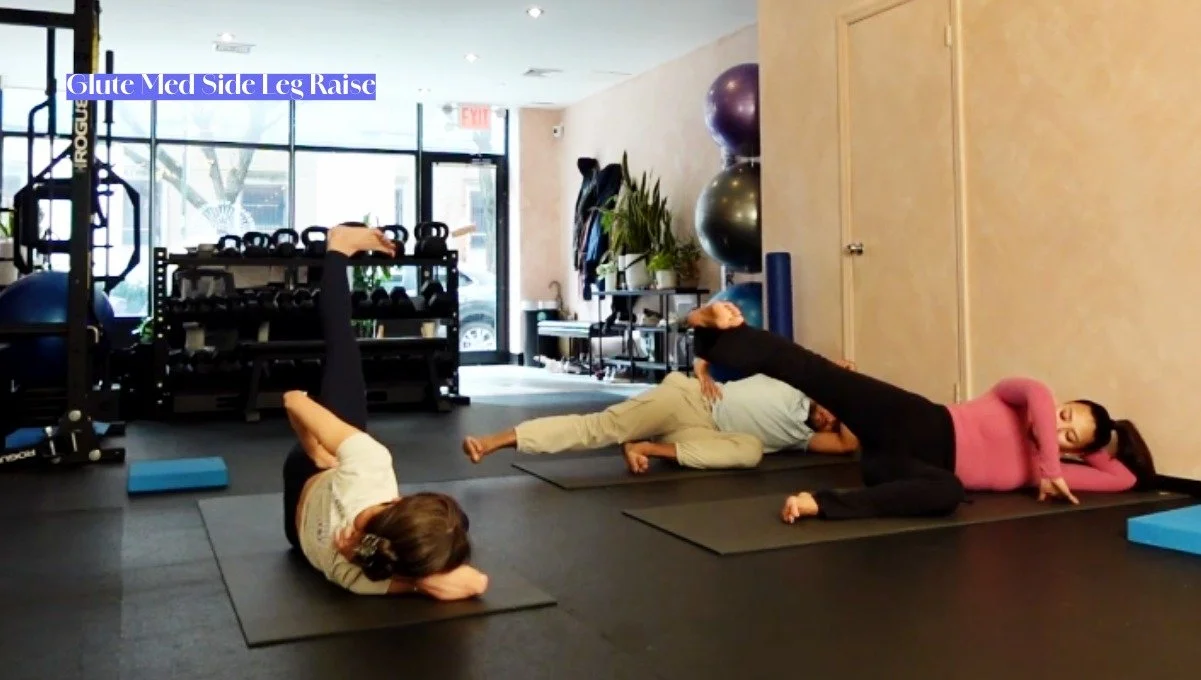
Glute Med Side Leg Raise
3. Prioritize Isometric Exercises for Joint Stability
Isometric exercises are one of the best tools for hypermobility strength training.
Benefits of isometric training:
Improves joint stability
Enhances neuromuscular control
Builds strength without excessive joint stress
👉 Focus on:
Longer hold times
Controlled breathing
Proper alignment
4. Stretching for Hypermobility: Do It Strategically
A common misconception is that people with hypermobility should avoid stretching. In reality, you still need targeted mobility work. Common tight areas:
Quads
Hip flexors
Upper traps
These muscles are often overcompensating for weak stabilizers.
Use stretching to address specific imbalances, not to increase overall flexibility.
5. ELDOA for Hypermobility and Joint Decompression
ELDOA exercises are highly effective for improving joint stability and spinal health in hypermobile individuals. Each ELDOA position involves a 1-minute high-tension isometric hold that creates space in specific joints.
Benefits of ELDOA for hypermobility:
Decompresses joints without passive stretching
Strengthens deep stabilizing muscles
Improves fascial tension and alignment
Enhances proprioception (joint awareness)
Reduces joint compression, especially in the spine
This makes ELDOA an excellent addition to any hypermobility training program.
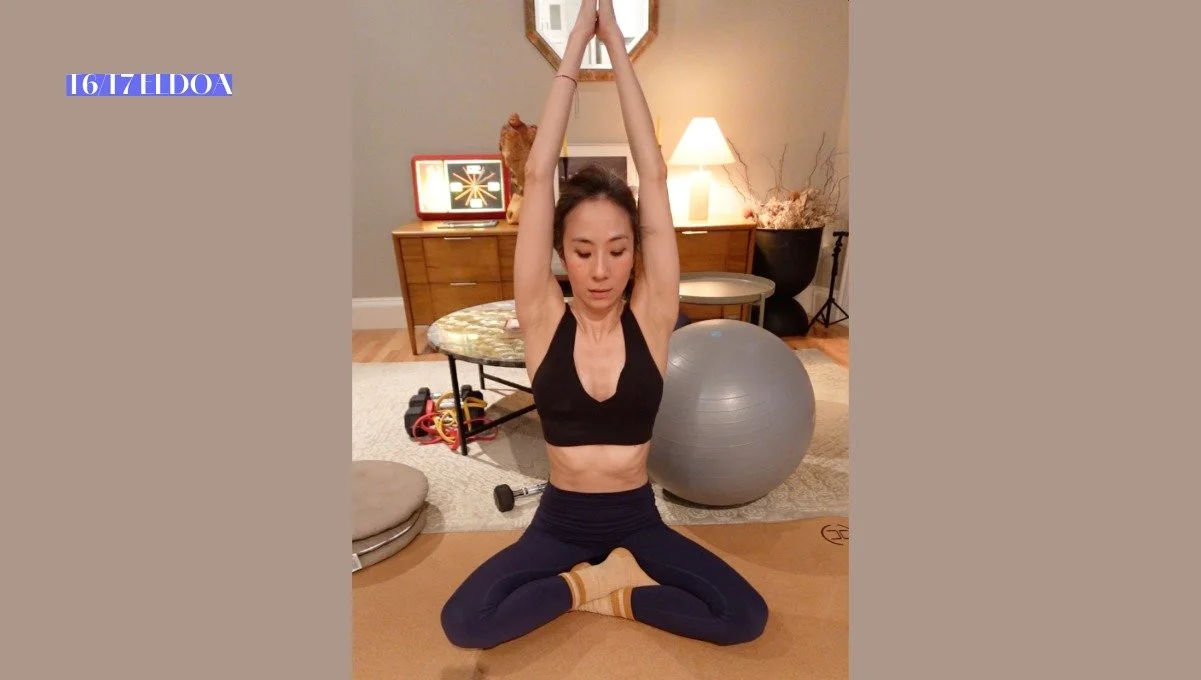
ELDOA T6/T7
Final Thoughts: How to Train Safely with Hypermobility
Hypermobility isn’t a limitation—but it does require a different strategy.
The most effective approach focuses on:
Stability over flexibility
Control over range
Strength within safe joint positions
When done correctly, hypermobility training can help you:
Prevent injuries
Improve posture and alignment
Build long-term strength and resilience
Need a Hypermobility Training Plan?
If you feel flexible but unstable, or you’ve struggled with recurring injuries, your training approach might be missing a key component. I specialize in hypermobility training, joint stability, and corrective exercise, helping clients build strength without compromising their joints. If you want a personalized approach tailored to your body, feel free to reach out.
