What Is ELDOA?
A Deeper Look at Spinal Decompression Through Fascial Tension
ELDOA is a postural and therapeutic movement method designed to decompress the joints—most notably the spine—by creating precise, intentional tension throughout the fascial system.
The name ELDOA comes from the French
“Étirements Longitudinaux avec Decoaptation Ostéo-Articulaire,”
which translates to Longitudinal Stretching with Osteo-Articular Decompression.
While ELDOA may look like a static stretch, it is far more sophisticated than that. It is a highly specific neuromuscular and fascial technique that uses posture, breath, and muscular engagement to create space where the body needs it most.
How ELDOA Works
Unlike passive stretching, ELDOA requires active participation from the nervous system.
Each ELDOA posture is designed to target:
A specific spinal segment (for example, L4-L5 or C5-C6)
A joint (hips, shoulders, SI joint)
Or a fascial line connected to that region
By engaging precise muscle chains while maintaining strict alignment, the body creates longitudinal tension through the fascia, which in turn gently decompresses the targeted joint.
Think of it as creating traction from the inside out—without machines, force, or manipulation.
ELDOA and the Fascia Connection
Fascia is the connective tissue web that links muscles, joints, organs, and the nervous system. When fascia becomes dehydrated, restricted, or overloaded due to poor posture, repetitive movement, stress, or injury, it can compress joints and limit mobility.
ELDOA:
Rehydrates fascial tissue
Restores glide between tissue layers
Improves joint space and circulation
Enhances proprioception (body awareness)
Because fascia responds best to slow, sustained, intelligent tension, ELDOA positions are typically held for about one minute with controlled breathing.
Who Is ELDOA For?
ELDOA can benefit a wide range of people, including:
Individuals with chronic back or neck tension
Those dealing with disc-related issues
Desk workers with postural compression
Athletes looking to improve joint longevity
Movers and dancers seeking better spinal organization
Anyone wanting to feel more space, ease, and length in their body
It is commonly used by physical therapists, chiropractors, osteopaths, movement coaches, and high-level athletes worldwide.
ELDOA Is Not “Just Stretching”
One of the most common misconceptions is that ELDOA is simply advanced stretching.
In reality, ELDOA:
Requires active muscular engagement
Demands precise alignment and intention
Challenges postural endurance and control
Trains the nervous system to organize the body more efficiently
Many people are surprised by how intense an ELDOA posture feels—even though there is no external load.
Why ELDOA Feels So Different
When performed correctly, ELDOA often creates:
A sensation of decompression or “space” in the spine
Increased warmth or circulation in the area
Improved posture immediately after
Reduced joint stiffness or pressure
Over time, consistent practice can help retrain habitual movement patterns that contribute to compression and pain.
Final Thoughts
ELDOA is a powerful tool for anyone interested in postural health, spinal longevity, and intelligent movement. It teaches the body how to create its own support, stability, and space—rather than relying on external fixes.
When integrated into a well-designed movement or rehabilitation program, ELDOA can be transformative—not just for how the body moves, but for how it feels and functions in daily life.
If you’re curious about how ELDOA can support your posture, pain relief, or performance, working with a trained practitioner ensures the positions are tailored safely and effectively to your body.
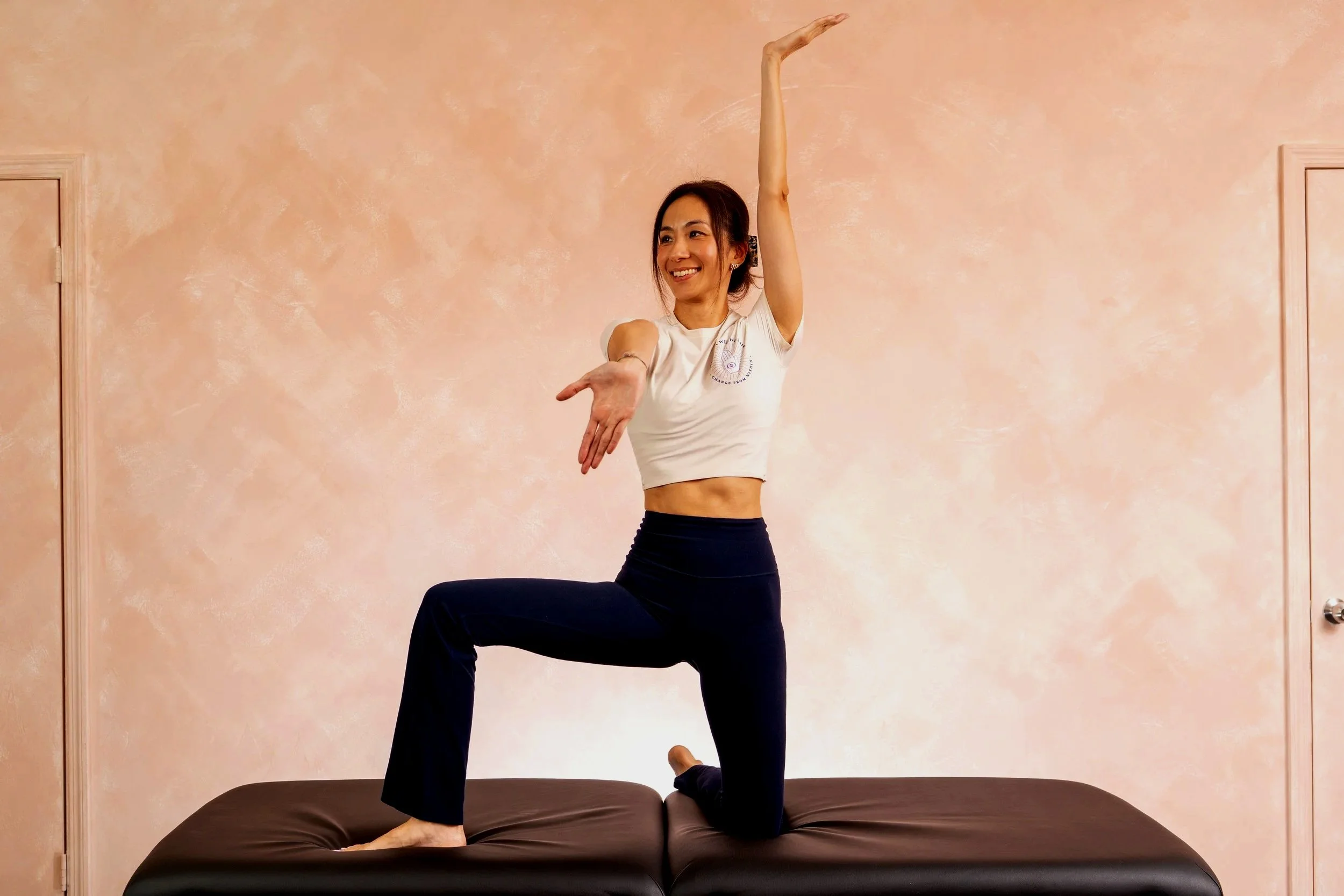
Hip ELDOA
